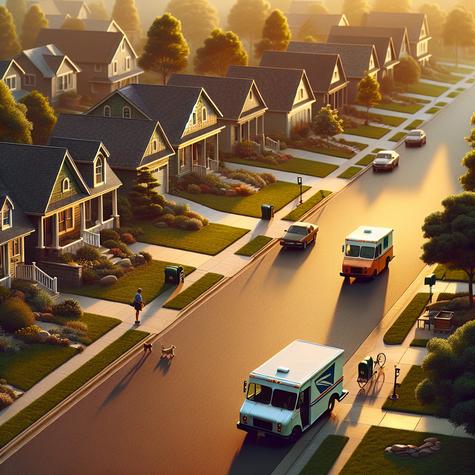
 1. Spacious Homes: Suburban areas often offer larger, more spacious homes compared to those in the city. These homes often come with ample outdoor space including yards and gardens. This provides many options for outdoor activities, gardening, and space for children to play safely.
2. Good Schools: Suburbia is known for having quality schools with stellar academic records. The suburbs often have lower student-to-teacher ratios, leading to more individual attention for students.
3. Community Living: Suburbs have a real sense of community and tends to be very family-friendly. People living in the same neighborhood often form tight-knit, supportive communities and cul-de-sac parties, block parties, or neighborhood yard sales are common.
4. Lower Crime Rates: Suburbs often have lower crime rates compared to city centers, providing peace of mind and safety for families.
5. Proximity to Nature: Suburban living usually provides more access to green spaces, parks, and nature, promoting a healthier and more active lifestyle.
6. Less Pollution: Suburban areas often have less congestion and noise pollution than the city, contributing to a cleaner, quieter environment.
7. Lower Cost of Living: Generally, the cost of living is lower in suburban areas compared to cities, especially when it comes to housing, allowing for a higher standard of living.
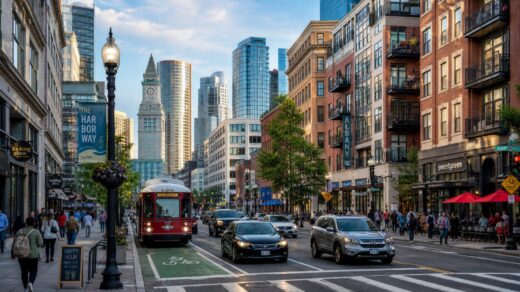
8. Less Crowded: Unlike cities, suburban areas are usually less crowded. This makes for less traffic, shorter lines at the grocery store, and generally less stress.
9. A Slower Pace of Life: The slower pace of life in the suburbs can be a welcome change from the hustle and bustle of a city. This can alleviate stress and provide a more relaxed lifestyle.
10. More Privacy: In many suburban neighborhoods, homes are spaced farther apart, offering more privacy to residents. This can provide a sense of personal space and peace that is harder to achieve in an urban environment.