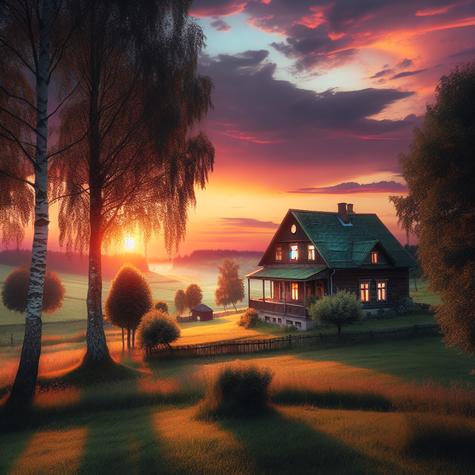
 Rural life evokes visions of idyllic landscapes, the serenity of the countryside, the satisfaction of tending to one’s own farm, orchard or vineyard, and enjoying the fruits of one’s labor. These are just a few of the many joys people yearn for when they decide to relocate to the countryside.
Living in a rural area enables a direct connection with nature. Here, you can breathe fresh air free from city pollution, gaze at the star-studded skies undimmed by city lights, and wake up to the soothing sounds of birds chirping rather than blaring car horns. It’s a slower, peaceful pace of life that is often therapeutic, taking you away from the hustle and bustle of urban life. On a larger scale, this lifestyle encourages self-sustainability – growing and producing one’s food, and reducing overall dependency on commercial markets.
However, the rural lifestyle also bears its share of challenges. Connectivity could be a major issue; both in terms of transportation and technology. The lack of immediate access to major supermarkets, hospitals, and other public facilities are significant concerns. The digital divide could also be a problem, with many rural areas not having high-speed internet access, an issue that has become even more critical in the age of remote work and learning. Moreover, such areas may not offer the same social and cultural opportunities available in bigger cities, such as museums, theatres, and social events.
Despite these challenges, the peace and tranquility offered by the countryside hold a charm of their own. The beauty of the rural landscape, the sense of community that binds its inhabitants, and the opportunity to lead a simpler, slower-paced life is unmatched. To many, the silence and solitude provided by such places become an oasis for the soul, a space to connect with themselves and nature more deeply.
Furthermore, there is always room for innovation and creativity to make rural life more viable and connected. For example, improving internet connectivity can enable digital nomadism, create job opportunities, and offer educational resources. Sustainable farming practices can make rural life more ecologically friendly, even as they present avenues for income.
Thus, the joys and challenges of rural life are two sides of the same coin. It requires significant adaptability and resilience but also offers the reward of immense peace and closer connection to Mother Earth. For a generation that is increasingly seeking meaningful existence over material luxury, rural life might be a natural choice.