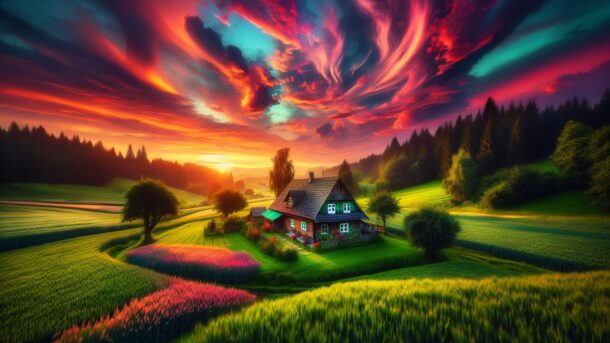
Country Living

Escape to Serenity: A Comprehensive Guide to Country Living

The rural or countryside life is depicted by vast stretches of green fields, farm animals grazing in harmony, rustling of trees, and the sounds of pristine streams. This undisturbed tranquility presents an incredible contrast to the usual hustle and bustle of city life. The peaceful and serene lifestyle of the countryside includes various aspects, such as housing, farming, stargazing, and the community spirit.

Countryside Housing

Rural houses generally come with large open spaces. One characteristic feature of these country homes is simplicity. Typically, these homes have two to three rooms and a big open-air veranda or porch. Their construction uses natural and local materials like stone, wood, or bamboo, among others. The surrounding gardens spread the vibrancy of seasonal color in spring and summer, whereas autumn paints them in warm hues, and winter may blanket them in pure white snow.

Farming in the Countryside

Farming is one of the fundamental aspects of countryside living. The majority of rural dwellers are connected to farming or agricultural activities in one way or another. Farming can range from large-scale commercial farms to small family-owned farms, producing everything from vegetables, fruits, and grain to poultry, meat, and dairy products. These activities are not just a source of income but are often a passion and a way of life for country people. Harvest season is often a community event, binding people together in celebration.

Stargazing

Living in the countryside provides an excellent opportunity for stargazing due to the absence of the light pollution that is characteristic of cities. The serene and starlit countryside night skies give an unrestricted marvel at the celestial bodies, allowing rural dwellers to connect with nature on a deeper level. The beauty of stargazing in the countryside is in the silence it is coupled with—you can often hear a pin drop, deepening the experience of this otherworldly spectacle.

Community Spirit

The countryside’s heart and soul lie in its close-knit communities. These communities epitomize togetherness, love, respect, and unity in diversity. The rural community makes up for the lack of amenities and luxuries found in cities with robust social structures. Neighbors always reach out willingly with open-hearted assistance during personal, social, or natural crises. They come together for community events such as fairs, potlucks, and local sports events, and share in each other’s joys and sorrows.

A haven of tranquility, the countryside offers a warm hearth for those desiring a life of peace and serenity. The pace of life is slower, the air cleaner, and the nights quieter. The countryside lifestyle fosters a sense of belonging, encouraging one to create deeper roots with people and nature. While certainly not without its challenges, the rural perspective offers a unique take on a sustainable, peaceful, and connected style of living.

Embracing the Serenity: The Pros and Cons of Country Living

Living in the country, or in rural areas, provides a unique lifestyle that is usually slower-paced, peaceful, and closer to nature as compared to urban living. However, while it offers various benefits, it also presents a set of challenges to the residents.
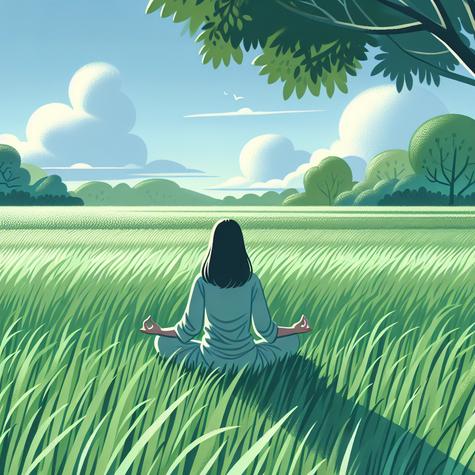
Benefits:
1. Peace and quiet: Country living is often peaceful and quiet with fewer disruptions from traffic, sirelyns, and the general hustle and bustle that city life provides. This can significantly reduce stress levels and provide a relaxed atmosphere.

2. Space and Privacy: The country offers a great deal of space not just for housing, but also for gardening, farming or for children to play. This quite often means larger properties and greater privacy.

3. Nature and Wildlife: One of the biggest benefits of country living is proximity to nature. The air is typically cleaner and there are often opportunities to interact with wildlife that you wouldn’t encounter in a city.

4. Close-knit Community: Rural populations tend to be lower and can often result in closer relationships with neighbors and a sense of community.

Challenges:
1. Distance to Conveniences and Services: One of the considerable drawbacks of country living is the distance to services such as grocery stores, hospitals, and other amenities. This can mean more time spent traveling for everyday needs.

2. Limited entertainment and dining options: Restaurants, cinemas, theaters, museums, and other cultural or entertainment centers are generally few and far between in rural areas.

3. Internet Access: While this is improving, it’s still common for rural areas to have limited internet access or slower speeds, which can be a particular challenge for those who work from home or rely on the internet for entertainment.

4. Less Public Transport: Public transportation is generally more limited in the country, making a personal vehicle more or less essential for getting around.

5. Job Opportunities: Depending on your profession, finding suitable employment can be more challenging in the country than in a city.

Overall, the realities of living in the country depend a lot on individual preferences, needs, and lifestyle. While it is ideal for some, others may find the challenges outweigh the benefits.

Country Living: Benefits to Your Health

People who live in the countryside often enjoy a higher standard of physical and mental health than those living in cities for various reasons. Here are some of these reasons:
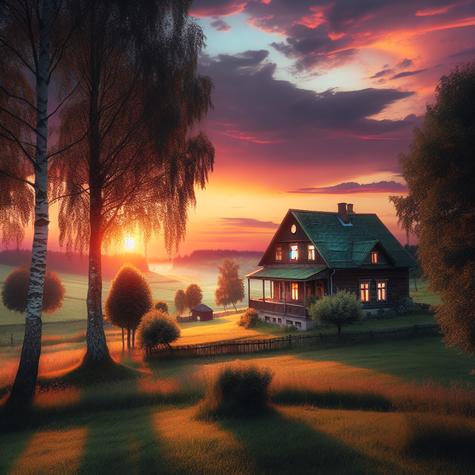
1. Access to Fresh Air and Green Spaces: Country living often provides access to fresh air and green spaces which are crucial for physical and mental health. Regular exposure to fresh air can help to enhance the immune system, increase energy levels, and improve sleep. Moreover, green spaces are shown to have positive impacts on mental health, reducing stress and promoting relaxation.

2. Outdoor Activities: The countryside is an ideal setting for engaging in outdoor physical activities like hiking, gardening, cycling, or farming, which greatly contribute to better physical health and fitness.

3. Low Pollution Levels: Air and noise pollution levels are generally lower in the countryside than in the cities. Air pollution is linked to various health problems, including respiratory issues, heart disease, and even cancer. Noise pollution can cause stress, sleep disturbances, and other mental health problems.

4. Stronger Community Ties: Rural areas often have close-knit communities that can provide strong social support, and contribute to improved mental health. Strong social relationships are linked to longer life, better immune system function, and lower levels of anxiety and depression.

5. Slow Pace of Life: A slower pace of life can reduce stress and anxiety, potentially leading to better mental health. Less congestion, less noise, and fewer distractions allow for more relaxation and peace of mind.

6. Healthy Diet: Country living may also be associated with a healthier diet, as there is often better access to fresh, local produce.

7. Lower Crime Rates: Rural areas usually have less crime than urban areas, which can reduce stress and anxiety.

While country living does pose its own set of unique challenges such as limited access to healthcare facilities or fewer job opportunities, the benefits for physical and mental health can be significant for many people. It’s important to state that the health impacts of urban and rural living can also depend greatly on individual lifestyle choices and socio-economic factors.

Finding Peace in Country Living

Rural life evokes visions of idyllic landscapes, the serenity of the countryside, the satisfaction of tending to one’s own farm, orchard or vineyard, and enjoying the fruits of one’s labor. These are just a few of the many joys people yearn for when they decide to relocate to the countryside.
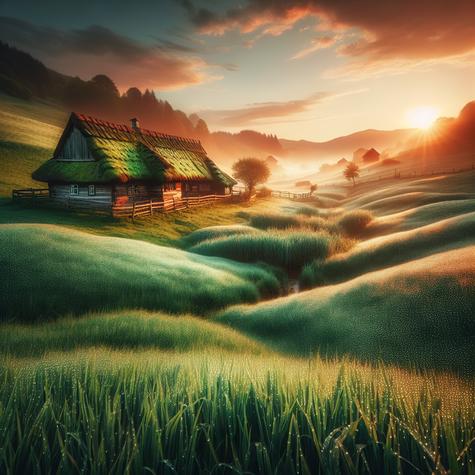
Living in a rural area enables a direct connection with nature. Here, you can breathe fresh air free from city pollution, gaze at the star-studded skies undimmed by city lights, and wake up to the soothing sounds of birds chirping rather than blaring car horns. It’s a slower, peaceful pace of life that is often therapeutic, taking you away from the hustle and bustle of urban life. On a larger scale, this lifestyle encourages self-sustainability – growing and producing one’s food, and reducing overall dependency on commercial markets.

However, the rural lifestyle also bears its share of challenges. Connectivity could be a major issue; both in terms of transportation and technology. The lack of immediate access to major supermarkets, hospitals, and other public facilities are significant concerns. The digital divide could also be a problem, with many rural areas not having high-speed internet access, an issue that has become even more critical in the age of remote work and learning. Moreover, such areas may not offer the same social and cultural opportunities available in bigger cities, such as museums, theatres, and social events.

Despite these challenges, the peace and tranquility offered by the countryside hold a charm of their own. The beauty of the rural landscape, the sense of community that binds its inhabitants, and the opportunity to lead a simpler, slower-paced life is unmatched. To many, the silence and solitude provided by such places become an oasis for the soul, a space to connect with themselves and nature more deeply.

Furthermore, there is always room for innovation and creativity to make rural life more viable and connected. For example, improving internet connectivity can enable digital nomadism, create job opportunities, and offer educational resources. Sustainable farming practices can make rural life more ecologically friendly, even as they present avenues for income.

Thus, the joys and challenges of rural life are two sides of the same coin. It requires significant adaptability and resilience but also offers the reward of immense peace and closer connection to Mother Earth. For a generation that is increasingly seeking meaningful existence over material luxury, rural life might be a natural choice.

The Charm of Country Living: Reconnecting with Nature

Country living can be a magical experience that offers an array of lifestyle benefits that can’t be found anywhere else. It often brings to mind images of sprawling farmlands, peaceful rivers, clear sky lit by millions of stars, wholesome communities, and a slower, more idyllic pace of life far from the hustle of urban sprawl. Here’s a look at the appeal of rural life and some tips for those considering a move to the countryside.
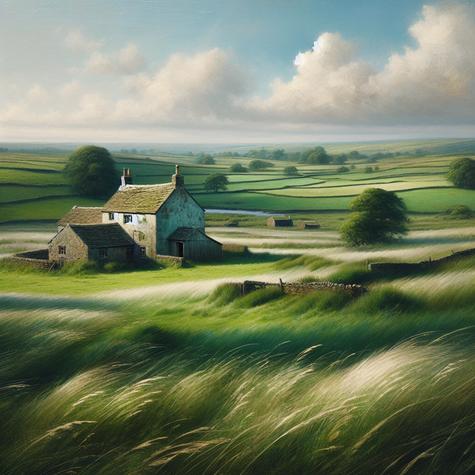
1. **Peace and Quiet**: Country living guarantees peace, quiet, and tranquility that’s often absent in urban dwellings. The soundtrack of country life doesn’t include blaring horns, sirens, or constant chatter. Instead, it’s a harmonious blend of chirping birds, rustling leaves, and the wind whispering through the trees.

2. **Surrounded by Nature**: Living in the country means you’re surrounded by nature. Uninterrupted views of rolling hills, flowing rivers, lush forests, and countless wildlife is part of everyday life. This exposure to natural beauty can have profound impacts on mental well-being and overall health.

3. **Space and Freedom**: In the countryside, you won’t feel cramped by crowded streets or towering skyscrapers. Homes in rural areas typically have larger yards and more distance between neighbors. You’ll experience the joy of growing your own garden or having the space for outdoor hobbies.

4. **Community Spirit**: Rural communities are typically tight-knit, offering a sense of belonging and security. Neighbors know each other, look out for one another, and share a strong sense of community spirit.

5. **Healthier Lifestyle**: Away from fast-food chains and convenience stores, country living encourages a healthier lifestyle. Eating farm-to-table becomes the norm, and the abundance of outdoor space makes regular physical activity more accessable.

6. **Cost of Living**: Generally, the cost of living is lower in rural areas. Property prices, house rents, and the cost of amenities are generally lower than in cities.

If you’re considering a move to the countryside, here are some tips:

* **Research and Visit**: Spend time in the area before making the decision. This can help you get a feel for the community and lifestyle. Research everything from amenities to climate to local events.

* **Consider Accessibility**: Look into the proximity to hospitals, grocery stores, and other essentials. Living without immediate access to such facilities may require some adjusting.

* **Plan for Transport**: Public transportation can be sparse in rural areas, so owning a vehicle may be necessary.

* **Prepare for Different Paces**: The pace of country life is different from city life. Be prepared for a slower pace, fewer conveniences, and less nightlife.

* **Involve Yourself in Community**: Participate in local events and volunteering opportunities to meet people and truly become a part of the community.

* **Prepare for Nature**: Living in the country means more encounters with wildlife and dealing with aspects of nature like septic systems or well water.

In conclusion, moving to the countryside can improve quality of life, offering tranquility, freedom, and an excellent environment to raise a family. The decision shouldn’t be taken lightly and requires careful planning, but the rewards can be immense.

The Charm of Country Living: Reconnecting with Nature

Country living, or rural life, holds a special appeal for many people seeking a slower pace of life, natural beauty, and stronger ties to their communities. Here are several aspects of country living that attract people and some advice for those considering making the shift.

1. Peace and Quiet: Country living typically provides fewer distractions and a quieter atmosphere than city living. Far away from urban hustle and bustle, the country offers an ambiance of peace and tranquility, perfect for those who appreciate solitude and calm.

2. Fresh Air and Natural Beauty: Living in the countryside exposes you to pristine landscapes, rolling hills, and breathtaking views while breathing in clean, fresh air. You can escape the pollution and crowd of cities and enjoy nature’s wonders at your doorstep.

3. Space: Due to the low population density, rural houses often have more space and bigger yards. Whether you want a large garden, a small farm, or just an open space where your children can play, there is usually space to accommodate these dreams in the countryside.

4. Community: In smaller, rural communities, neighbors tend to know each other better, and the feeling of community is often stronger. Community gatherings, local festivals, and communal support are a few perks of rural social life.

5. Lower Cost of Living: Country living often comes with a lower cost for things like housing, property taxes, and services which can help reduce the stress of living expenses.

Tips for Moving to the Countryside:

1. Research the Area: Before moving to a location, thoroughly research it to understand its climate, amenities, culture, and lifestyle.

2. Get to Know the Neighbors: Understanding the community and social aspects is critical in rural areas. Attending local events or visiting local businesses can help you integrate more easily into your new home.

3. Understand Your Home’s Requirements: Living in the country often means more home and land maintenance, so ensure you’re prepared for tasks like managing septic systems, private wells, or large lawns.

4. Consider Transportation: Public transportation is often scarce in rural areas, so owning a vehicle becomes essential. Also, consider the distance to amenities like grocery stores and healthcare.

5. Plan for Internet Access: Rural areas might lack the high-speed internet options available in cities, which could affect your work or lifestyle if you rely heavily on the internet.

6. Embrace the Change: City living and country living are drastically different. Embrace the slower pace, learn new skills, nurture a passion for gardening or livestock rearing, and make the most out of what country living has to offer.

Country living is not for everyone, but for those who value peace, tranquility, community, and nature, it can be an incredibly rewarding choice. The transformation might take time and patience, but the benefits are immense. Make sure to consider your lifestyle and needs before making the move, and enjoy the journey to an enriching rural life.