 Transitioning from a traditional lifestyle to an off-grid lifestyle entails significant changes to one’s daily routine, living conditions, and overall life objectives. It’s a process that requires careful planning, significant research, and a commitment to sustainable living. Here are some important considerations to take into account:
1. Education and Skills: The off-grid lifestyle necessitates various DIY skills, which may include farming, constructing a home, fixing various types of equipment, and understanding solar power, among others. Prior to transitioning, it’s essential to educate yourself and acquire these skills.
2. Legal Requirements: Depending on the location, there might be several legal issues to consider, such as zoning regulations and building permits. It’s essential to study and understand the local laws and regulations relevant to off-grid living.
3. Location: This factor is essential since the availability of natural resources such as sun, wind, and water differs by location. The accessibility of these resources significantly impacts your ability to generate power and grow your own food.
4. Financial Considerations: Transitioning to off-grid living usually involves significant upfront costs, including purchasing land, building a home, setting up the off-grid system (solar panels, wind turbines, water filtration systems, etc.), and purchasing critical supplies. However, with time, the lifestyle can potentially pay for itself through savings in utility bills, grocery expense, etc.
5. Lifestyle Changes: Off-grid living often requires significant adjustments to one’s lifestyle – folks might need to bid goodbye to some modern luxuries and be prepared for physical work like farming, maintenance of house and systems, etc.
6. Emergency Preparedness: Prepare for emergencies by considering your healthcare needs and accessibility to medical services, stocking up on emergency supplies and first-aid training, etc.
7. Community Support: Connecting with a community of off-grid dwellers can provide invaluable knowledge, tips, and support. They can help you understand the unexpected aspects of off-grid living and help you get started.
8. Sustainable Living: Adopting an off-grid lifestyle is often about living in harmony with nature. It’s crucial to think about how to minimize waste, use resources efficiently, and support biodiversity in your area.
9. Power and Water Supply: Making arrangements for a constant supply of power and water is absolutely critical. Systems for solar, wind or hydro-energy, as well as water collection, purification, and conservation systems need to be set up.
10. Psychological Preparedness: One must also be mentally ready to lead a potentially isolated and hard-working life, as well as be patient with the transition period’s challenges.
Remember, transitioning to off-grid living is not a quick process; it requires planning, preparation, and gradual adjustment over several months or even years. Take each stage step by step and seek advice wherever needed to ensure the transition is successful.
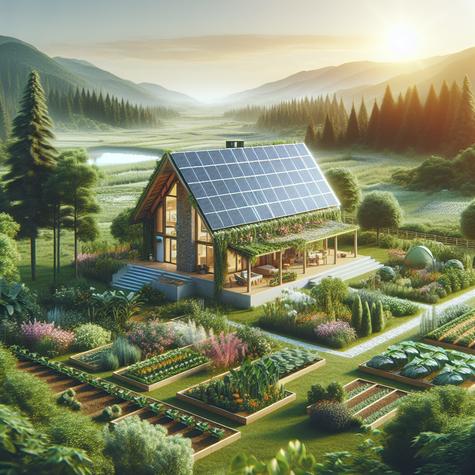 Off-grid living refers to a self-sufficient lifestyle that doesn’t depend on public utilities, especially the electricity grid. It typically includes generating one’s own power, managing waste, sourcing water, and often growing food.
 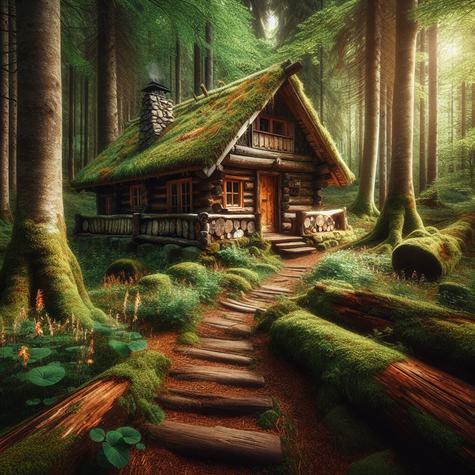 Off-grid living refers to a self-sufficient lifestyle that relies very minimally or not at all on public utilities, often including electricity, sewage, water supply, and gas. Instead, off-gridders typically live in remote locations and depend on nature for their basic necessities. They generate their own power, gather their own water and often grow their own food.