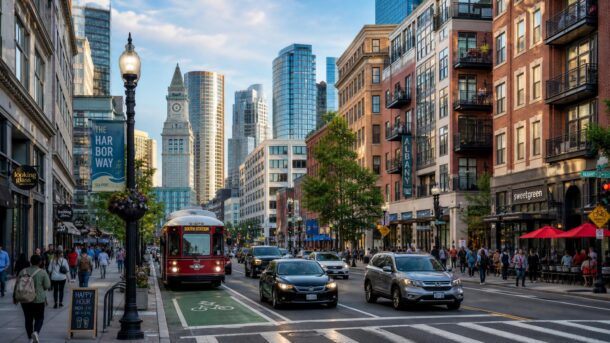
Living in an urban or city environment can offer a wealth of opportunities, unique experiences, and prospective benefits. However, urban living may also come with its own set of challenges. Knowing these advantages and drawbacks can assist you in determining whether life in the city is appropriate for your lifestyle and, if so, in locating the ideal downtown home.
Benefits of Urban Living:
1. Accessibility & Convenience: Cities are typically designed with convenience in mind. Many amenities such as grocery stores, gyms, restaurants, and other essential services are within walking distance.
2. Public Transportation: Most cities have established public transportation systems, which can obviate the need for a car and reduce commuting costs.
3. Culture & Diversity: Urban areas often house a diverse mix of cultures which brings a unique blend of food, art, music, and social opportunities. Cities also usually serve as centers for cultural institutions such as museums, theatres, and art galleries.
4. Career Opportunities: Big cities can offer a wealth of job opportunities across various industries.
Downsides of Urban Living:
1. Cost of Living: The cost of city living can be high, with increased prices for housing, groceries, and other necessary items.
2. Noise & Light Pollution: Cities are loud and bright. You may have to deal with frequent noise from traffic and people, as well as bright lights throughout the night.
3. Limited Privacy: Due to the density of population in cities, privacy might be harder to come by.
Tips for Finding a Downtown Home That Matches Your Lifestyle:
1. Prioritize Your Needs: Figure out what is most important to you in a home. Is it proximity to work or public transit? Is a quiet street important? Do you want to be near certain amenities, such as parks or fitness facilities?
2. Research and Explore Neighborhoods: Different neighborhoods have different vibes. Visit at different times of day, check out the amenities, and if possible, talk to locals to get a real sense of the neighborhood.
3. Consider Your Budget: Cities can be expensive, so establish a budget for rent or a mortgage, and don’t forget to factor in other costs like utilities, parking, and potentially higher costs for groceries and entertainment.
4. Seek Professional Help: If you feel overwhelmed by the task of finding a home in the city, consider getting a real estate agent. They can help you navigate the housing market and find a place that fits all your needs.
5. Future-proof Your Choice: Think about your future plans. Your downtown home choice should align not just with your current situation, but also with your plans for the next few years.
 Living in urban areas can catalyze creativity in manifold ways. The multicultural milieu, fast-paced lifestyle, access to progressive institutions, and the inherent energy stimulating the city life can inspire creative output in several sectors including art, architecture, and innovation.
 Urban areas, also known as cities, are typically teeming with a variety of unique advantages that can augment one’s lifestyle. This enhancement can be broken down into three broad categories: accessibility, diversity, and vibrant culture.