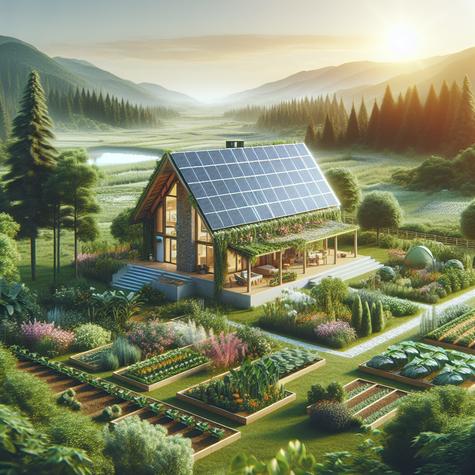
 Off-grid living refers to a self-sufficient lifestyle that doesn’t depend on public utilities, especially the electricity grid. It typically includes generating one’s own power, managing waste, sourcing water, and often growing food.
Lifestyle change: The most noticeable transformation when it comes to off-grid living is the lifestyle change. It entails reducing consumption, producing less waste, and embracing a more sustainable and self-reliant approach towards life. One might have to learn skills such as farming, animal husbandry, solar panel maintenance, and water conservation methods. The emphasis shifts from convenience and consumerism to sustainability and self-sufficiency.
Benefits:
1. Autonomy: Living off the grid provides a great sense of freedom and independence, relieving one from heavy electricity bills and other public-service dependence.
2. Environmental impact: Off-grid living often leads to a reduced carbon footprint as the reliance on fossil fuels is decreased and renewable energy sources are utilized.
3. Community: It often leads to stronger community relationships as solutions have to be created and problems solved collectively.
Challenges:
1. Initial Investment: The upfront expenses for setting up an off-grid living system (e.g., for renewable energy sources like solar panels, wind turbines) can be high.
2. Ongoing Maintenance: Systems for power generation, waste management, and water sourcing need regular maintenance, which requires time and skills.
3. Legal hurdles: In some places, laws and regulations might restrict certain aspects of off-grid living, such as where and how you can build your home.
4. Unpredictable availability of resources: Weather-dependent resources like solar or rainwater can be uncertain and require backup plans.
Preparation: Preparing for off-grid living involves extensive research and planning. One needs to analyze their energy needs, identify suitable renewable energy sources, ensure reliable water sourcing, and manage waste effectively. Planning for food production, whether through farming or a small home garden, also becomes crucial. It’s also important to learn basic maintenance skills for managing and troubleshooting different systems. Furthermore, a good understanding of local laws and regulations related to off-grid living is necessary to avoid legal complications.
Off-grid living is a rewarding but challenging choice. It necessitates a significant shift in lifestyle but also offers an opportunity for a more sustainable, self-reliant way of living. It’s a complex endeavor that requires thorough preparation and technical knowledge, but it’s entirely achievable with the appropriate planning and commitment.