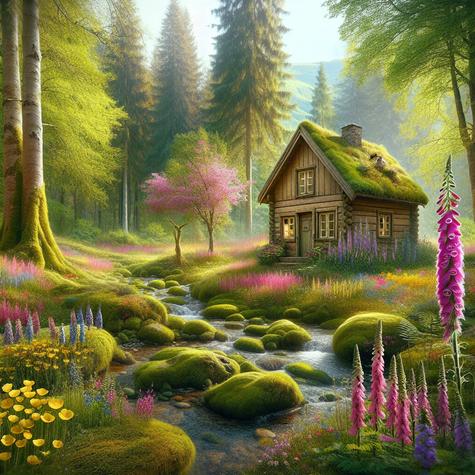
 Off-grid living is about adopting a lifestyle that is self-sustainable without relying on public utilities, such as water supply, sewage system, or electricity from the grid. The tiny house trend represents a prominent embodiment of this lifestyle and involves living in small, often portable, homes generally ranging from 100 to 500 square feet. It presents numerous economic and environmental benefits from an off-grid living perspective, which contributes to its growing popularity.
Economic benefits:
1. Reduced Costs: Tiny houses cost significantly less than conventional houses both in terms of construction or purchasing. This allows people to potentially own a home outright, reducing long-term financial liability in the form of mortgages.
2. Lower Maintenance and Utility Costs: Tiny houses require less energy for heating and cooling due to their small size. Being off-grid, relying on solar panels or wind power for electricity reduces monthly utility costs. Item maintenance and replacement costs also go down due to the decreased number of appliances and utilities.
3. Freedom and Mobility: Many tiny houses are built on trailers, offering greater mobility. This means you could live closer to job opportunities without worrying about expensive relocation costs.
Environment benefits:
1. Reduced Energy Consumption: Living in a tiny house consumes much less energy. This is primarily due to a smaller space that requires less energy for temperature regulation, and the preference for energy-efficient appliances to conserve limited power from renewable sources.
2. Lower Carbon Footprint: Building a tiny house requires fewer resources and therefore has a smaller carbon footprint. The reduced consumption of energy in daily life further minimizes greenhouse gas emissions.
3. Embracing Minimalism: The small size of a tiny house encourages a minimalist lifestyle. This attitude helps in reducing excessive consumerism, ultimately leading to lesser waste generation and a positive impact on the environment.
4. Repurposing and Recycling: Building tiny houses often tends to involve repurposing and recycling materials – an integral part of off-grid living, emphasizing environmental sustainability.
Hence, from an off-grid living perspective, the tiny house trend offers attractive avenues of economic and environmental benefits making it a sustainable lifestyle choice for many.