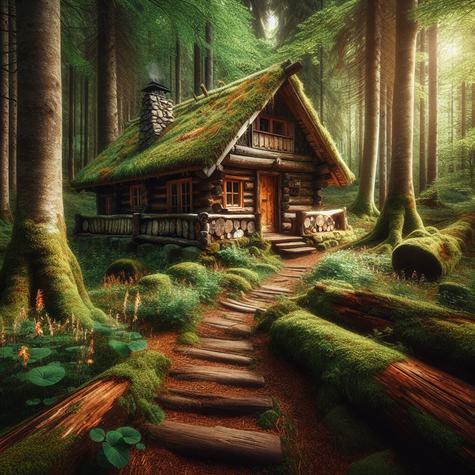
 Off-grid living refers to a self-sufficient lifestyle that relies very minimally or not at all on public utilities, often including electricity, sewage, water supply, and gas. Instead, off-gridders typically live in remote locations and depend on nature for their basic necessities. They generate their own power, gather their own water and often grow their own food.
Impact on Sustainability:
The primary focus of off-grid living is sustainability. It encourages more conscientious consumption of resources and promotes the use of renewable energy sources, like solar, wind, and hydroelectric power. For instance, those living off-grid would use rainwater harvesting systems and natural water sources, reducing the stress on overburdened municipal water systems. They would also compost organic waste, reducing their contributions to landfills and the toxic gases they produce.
Impact on Minimalism:
Off-grid living also ties in closely with minimalism as those who choose this lifestyle are often embracing a simpler way of life focused less on material possessions. They are more likely to get rid of unnecessary belongings and live with only the essentials. This way of life also encourages reuse, repurposing, and recycling.
Self-Reliance:
Living off-grid inspires a level of self-reliance seldom seen in modern society. Individuals need to be creative and resourceful, learning how to fix things and solve problems independently. By growing their own food, generating their own electricity, and managing their own waste, individuals reduce their reliance on external systems and services. This leads to personal growth, resilience, and adaptability.
Simplicity:
Off-grid living is a return to simpler living. Life slows down in an off-grid setting, freeing up time typically consumed by daily commutes, long work hours, and the constant buzz of technology. People engage in traditional activities like gardening, cooking, reading, and community involvement, which brings a sense of fulfillment often missing in fast-paced city lifestyles.
Closeness to Nature:
Living off-grid allows people to reconnect with nature. It fosters a powerful respect for the natural world as individuals witness firsthand the cycle of life and learn to live within its rhythm. This proximity encourages conservation habits, as residents see the immediate impacts of their actions on the environment. It helps foster a stronger land and community stewardship.
In conclusion, off-grid living offers a profound shift in perspective. It promotes sustainable practices, minimalistic values, self-reliance, simplicity, and a deeper connection to nature. Adopting such a lifestyle can have personal benefits, such as increased happiness and health, but it can also contribute significantly to a more sustainable and resilient society.